

When it comes to oral surgery, preparation starts long before the procedure itself. For most patients, the first step is the oral surgery consultation — a crucial visit that lays the foundation for a safe and successful outcome. Whether you’re coming in for wisdom tooth removal, dental implants, or jaw surgery, knowing what to expect during this initial consultation can ease anxiety and help you make informed decisions.
In this post, we’ll walk you through everything you can expect during your first oral surgery consultation — from paperwork and imaging to questions you should ask your surgeon. If you’re feeling nervous or unsure, this guide is here to bring clarity and confidence to the process.
Why an Oral Surgery Consultation Is Important
An oral surgery consultation serves several essential purposes:
- It allows the surgeon to assess your oral health and determine whether surgery is needed.
- It provides an opportunity to diagnose any underlying conditions.
- It ensures that you receive personalized treatment planning.
- It allows the patient to ask questions and understand the entire process — from anesthesia options to recovery.
Skipping or rushing through a consultation increases the risk of complications or dissatisfaction with results. A well-structured consultation sets realistic expectations and ensures you’re both medically and mentally prepared.
Before Your Appointment: What You Should Bring
To make your consultation productive and smooth, be sure to bring the following:
- Photo ID
- Dental Insurance Card (if applicable)
- Referral from your general dentist (if you have one)
- X-rays or scans (unless previously sent by your provider)
- List of Medications you’re currently taking
- Medical History Details, including allergies and past surgeries
Also, jot down any symptoms or questions you want to discuss so nothing is forgotten during the appointment.
Step-by-Step Breakdown of a First Oral Surgery Consultation
1. Welcome and Intake
Your visit will begin with check-in at the front desk where you’ll complete patient intake forms. These forms will ask about your medical history, allergies, current medications, past surgeries, and dental concerns.
Providing accurate and detailed information is key — your oral surgeon uses this data to tailor your treatment and minimize any risks.
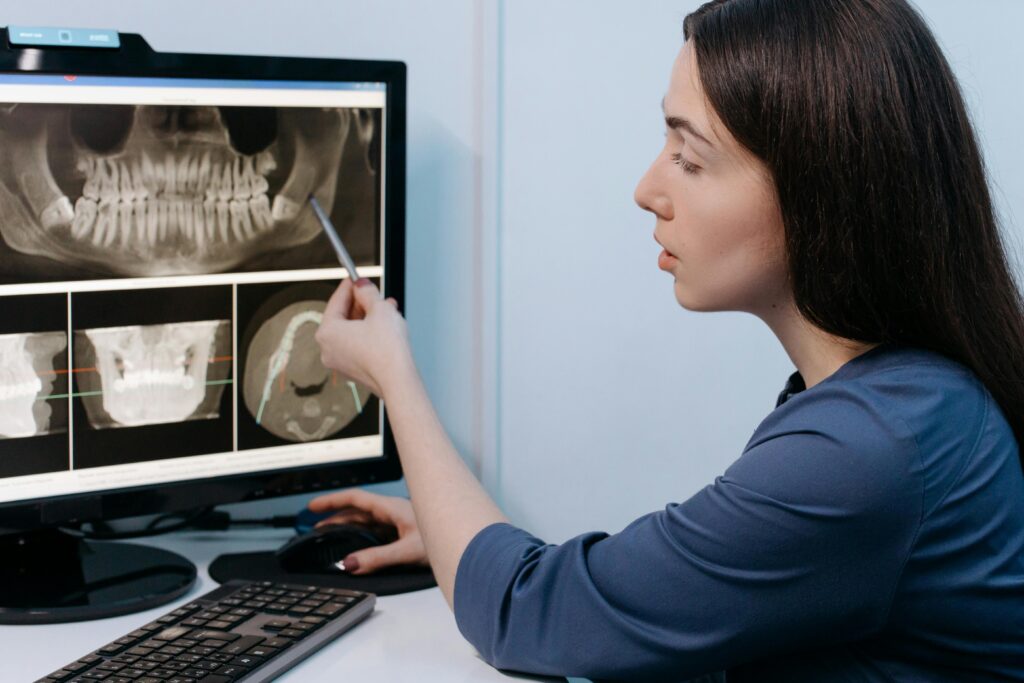
2. Diagnostic Imaging
In most cases, the surgeon will need updated diagnostic images to assess your condition. This may include:
- Panoramic X-rays
- 3D Cone Beam CT Scans
- Digital Radiographs
These images allow the oral surgeon to visualize your teeth, jawbones, nerves, and sinuses to determine the best course of action. If you’ve already had recent X-rays from your general dentist, be sure they’re forwarded in advance.
3. Oral Examination
The surgeon will then perform a hands-on oral examination. This helps confirm what the imaging shows and may reveal additional insights, such as infections, cysts, or tissue abnormalities.
During the exam, your surgeon might also evaluate your jaw alignment, bite, and gum health, especially if you’re seeking implants or corrective jaw surgery.
4. Diagnosis and Personalized Treatment Plan
After reviewing your records, imaging, and examination results, the surgeon will explain the diagnosis. You’ll then receive a customized treatment plan, which may include:
- Type of oral surgery recommended
- Explanation of the procedure
- Anesthesia or sedation options
- Potential risks or complications
- Estimated recovery timeline
You’ll also be given an overview of pre-surgery preparations and post-surgery instructions to follow.
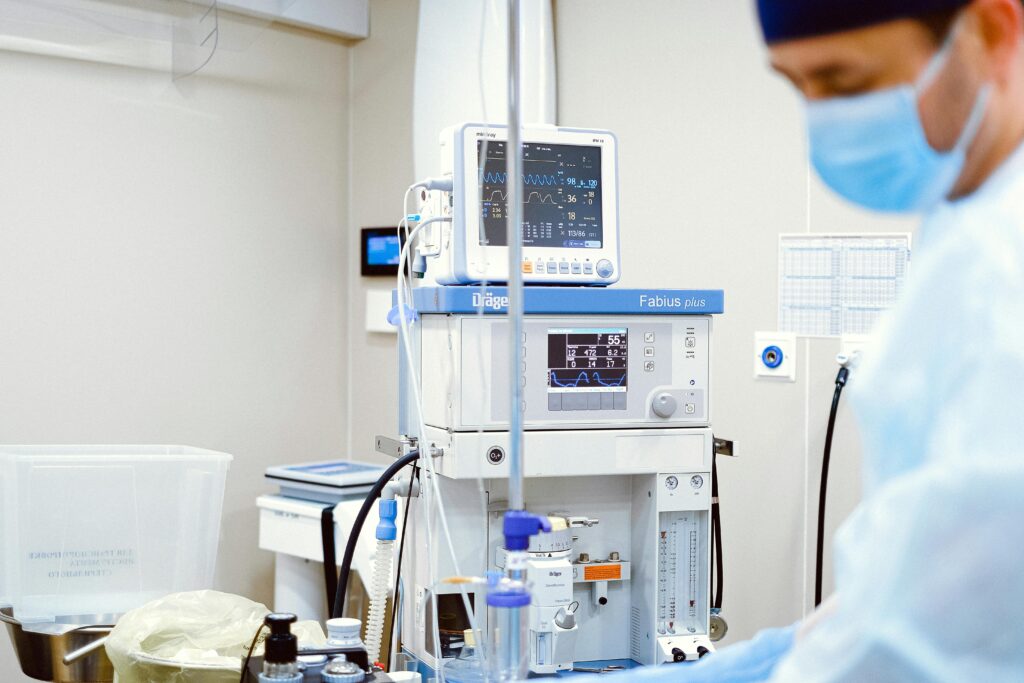
5. Discussion of Anesthesia and Sedation Options
One of the most important parts of the consultation is discussing anesthesia. Your surgeon will explain the various types available, which may include:
- Local anesthesia – Numbs the specific area.
- IV sedation – Induces a deeply relaxed, sleep-like state.
- General anesthesia – Puts you completely to sleep, used for complex cases.
The choice will depend on your procedure, medical history, and comfort level. If you have anxiety about surgery, be honest — your care team can offer reassurance and solutions.
6. Questions and Answers
This is your chance to ask anything — and we recommend doing so! Common questions include:
- How long will the procedure take?
- What are the risks and complications?
- What type of anesthesia is safest for me?
- How long is the recovery process?
- Will I need someone to drive me home?
- What will the total cost be?
The more informed you are, the more confident and relaxed you’ll feel moving forward.
7. Insurance and Cost Review
After your consultation, a financial coordinator will typically review your insurance coverage, provide a breakdown of fees, and discuss payment options. Be sure to clarify:
- What’s covered by insurance
- What your out-of-pocket costs are
- Whether financing or payment plans are available
Many oral surgery offices offer third-party financing to help spread out the cost of treatment.
After Your Consultation: What Comes Next?
Once the consultation is complete and you decide to move forward, the next steps typically include:
- Scheduling the surgery
- Filling prescriptions (if needed)
- Following any pre-op instructions (e.g., fasting before sedation)
- Arranging transportation and recovery help, especially if sedation is involved
You’ll also receive detailed paperwork and digital instructions for easy reference.
Tips to Prepare Mentally and Physically
Preparing for oral surgery isn’t just about scheduling. Consider these additional tips:
- Follow all pre-surgery instructions: Skipping meals, medications, or hygiene steps can delay or cancel your procedure.
- Prepare your home: Stock up on soft foods, pain relievers, and ice packs.
- Plan for downtime: Take 1–3 days off work or school if possible, depending on the procedure.
- Ask for emotional support: Bring a family member or friend to the consultation or surgery day if you’re feeling nervous.
Final Thoughts: The Power of Preparation
Understanding what to expect during your first oral surgery consultation helps you approach the experience with confidence and clarity. From initial intake and imaging to discussing treatment options and anesthesia, every step is designed to ensure your safety, comfort, and satisfaction.
Remember: no question is too small, and no concern is too trivial. Your oral surgeon is there to support you throughout your journey.