If you’re preparing for an oral surgery procedure, one of the biggest concerns you may have is pain or anxiety. That’s completely normal. Fortunately, modern oral surgery offers a variety of sedation options to help you feel calm, comfortable, and safe throughout the procedure.
Whether you’re having your wisdom teeth removed, dental implants placed, or undergoing corrective jaw surgery, understanding how sedation in oral surgery works will help you make informed choices and ease your nerves.
In this article, we’ll break down the different types of sedation, who they’re best for, how they work, and what you can expect before and after.
Why Sedation Is Used in Oral Surgery
Sedation isn’t just about eliminating pain—although that’s a big part of it. Sedation dentistry and oral surgery sedation are also designed to:
- Reduce anxiety before and during surgery
- Minimize movement during procedures
- Improve the surgeon’s ability to work safely and effectively
- Prevent trauma or negative memories associated with surgery
- Make long or complex procedures feel shorter and more manageable
For many patients, especially those with dental phobias, sedation can make the difference between avoiding surgery and finally taking control of their oral health.
Types of Sedation Used in Oral Surgery
Sedation in oral surgery generally falls into four categories, each with a different level of depth. The right choice depends on the procedure, your health, anxiety levels, and personal preferences.
1. Local Anesthesia

Best for: Minor or localized procedures
Sedation level: None to minimal
Local anesthesia is the most basic form of pain control. It involves numbing the specific area being treated using an injection (usually lidocaine). While it prevents pain, you’ll remain fully awake and alert during the procedure.
This is often used for:
- Simple tooth extractions
- Soft tissue biopsies
- Small incisions or grafts
Some patients with low anxiety may not require any additional sedation beyond local anesthesia.
2. Nitrous Oxide (Laughing Gas)
Best for: Mild to moderate anxiety
Sedation level: Minimal to moderate
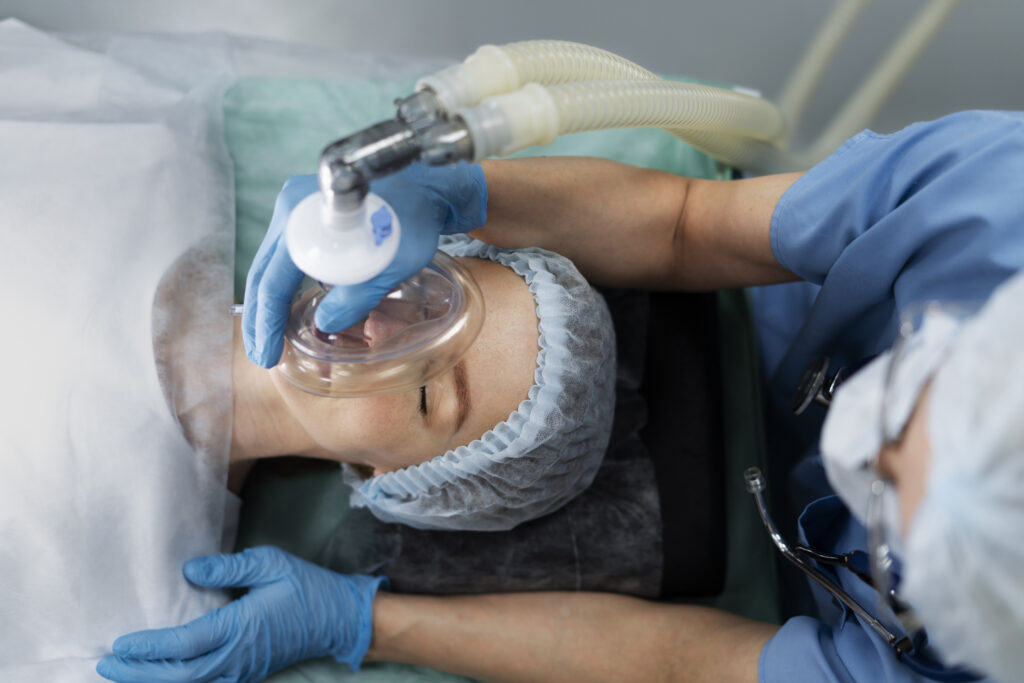
Nitrous oxide is inhaled through a nose mask and produces a calming, euphoric effect. You’ll still be awake and able to respond to instructions, but you’ll feel relaxed and less aware of the procedure.
Benefits include:
- Fast onset and quick recovery
- Adjustable sedation levels during the procedure
- Minimal side effects
- Safe for most patients, including children
You can usually drive yourself home after receiving nitrous oxide, as it wears off within minutes.
3. Oral Sedation (Pill Form)
Best for: Moderate anxiety or longer procedures
Sedation level: Moderate
Oral sedation involves taking a prescribed pill—commonly Halcion (triazolam) or diazepam—about 30–60 minutes before your procedure. The medication makes you drowsy but conscious, and you may not remember much of the experience.
Oral sedation is often paired with local anesthesia to manage pain while keeping you comfortable.
Because the effects last for several hours, you’ll need someone to drive you home and help you recover.
4. IV Sedation

Best for: High anxiety, multiple procedures, or complex surgeries
Sedation level: Moderate to deep
With IV sedation, medication is administered directly into the bloodstream through a vein. This method allows the surgeon to control the depth of sedation in real time.
Patients under IV sedation are usually:
- In a twilight state (not fully unconscious but deeply relaxed)
- Unable to remember the procedure
- Not responsive to stimuli or conversation
IV sedation is commonly used for:
- Wisdom teeth extractions
- Dental implant placement
- Bone grafting
- Multiple extractions or lengthy procedures
Patients need a responsible adult to accompany them home and should rest for the remainder of the day.
5. General Anesthesia
Best for: Major surgeries or patients with special needs
Sedation level: Deep — fully unconscious
General anesthesia renders you completely unconscious and is typically administered in a hospital or accredited surgical center. It is reserved for:
- Major jaw surgeries
- Severe facial trauma
- Patients with disabilities or extreme dental phobia
This form of sedation requires specialized monitoring and longer recovery times. It is not commonly needed for routine dental surgeries.
Choosing the Right Sedation Option
Several factors help determine which sedation method is best for you:
- Procedure type and length
- Your anxiety level
- Medical history and current medications
- Age and weight
- Personal comfort preferences
During your oral surgery consultation, your surgeon will go over these variables and recommend the safest and most effective sedation strategy for your situation.
Safety and Monitoring During Sedation
Sedation in oral surgery is extremely safe when performed by qualified professionals. Oral and maxillofacial surgeons undergo extensive training in sedation and anesthesia.
During your procedure, your vital signs will be monitored continuously, including:
- Heart rate
- Blood pressure
- Oxygen levels
- Breathing rate
For deeper levels of sedation, specialized equipment and emergency protocols are always on standby.
What to Expect Before and After Sedation
Before Surgery:
- Fasting: You may be asked not to eat or drink for 6–8 hours prior (especially for IV or general anesthesia).
- Medication review: Your surgeon will review all prescriptions, supplements, and allergies.
- Driver required: For moderate to deep sedation, a responsible adult must accompany you.
After Surgery:
- Grogginess and drowsiness are normal, especially with IV or oral sedation.
- Avoid driving, alcohol, or strenuous activity for 24 hours.
- Follow all post-op instructions provided by your surgeon.
If you’re nervous about an upcoming oral surgery, know that you’re not alone — and you have options. Thanks to advancements in modern sedation techniques, your procedure can be completed in a safe, stress-free, and virtually pain-free environment.
By understanding the different sedation methods available, you can feel confident and empowered during your surgical experience.