
For many teens and young adults, the topic of wisdom teeth removal comes up during a routine dental visit. These third molars — the last set of teeth to emerge — often raise questions about timing: Should I remove them now or wait until they cause problems?
Knowing when the right time is to remove wisdom teeth is essential for preventing complications such as infection, pain, crowding, and damage to nearby teeth. In this post, we’ll break down everything you need to know about wisdom teeth, signs that indicate removal is needed, and why earlier is often better than later.
What Are Wisdom Teeth?
Wisdom teeth, or third molars, are the last permanent teeth to erupt, usually between the ages of 17 and 25. Most people develop four — two on the top and two on the bottom — but some may have fewer or none at all.
Because they erupt so late, there often isn’t enough space in the jaw to accommodate them. This lack of space can lead to impaction, pain, or misalignment of surrounding teeth.
Why Wisdom Teeth Are Often Removed
Wisdom teeth are commonly removed for preventive or therapeutic reasons. Here are some of the most common:
1. Impacted Teeth
An impacted tooth is one that fails to fully erupt. It may be trapped in the jawbone or grow sideways. Impacted wisdom teeth can lead to:
- Pain or pressure in the jaw
- Swelling or infection
- Cysts or tumors
2. Crowding or Shifting Teeth
Even if they erupt, wisdom teeth can push against nearby molars, causing misalignment. This is especially a concern for people who have had orthodontic work.
3. Cavities and Gum Disease
Because wisdom teeth are located at the very back of the mouth, they’re difficult to clean. This makes them more susceptible to decay, infections, and pericoronitis (a gum infection around partially erupted teeth).
4. Jaw Damage or Cyst Formation
In rare cases, impacted teeth may lead to cysts that damage the jawbone and surrounding nerves.
When Is the Best Time to Remove Wisdom Teeth?
Most oral surgeons recommend evaluating and possibly removing wisdom teeth between the ages of 16 and 22, even if they’re not yet causing problems.
Why earlier is often better:
- Faster recovery: Younger patients tend to heal more quickly.
- Less dense bone: Removal is easier and less invasive.
- Lower risk of complications: Fewer chances of nerve damage or complex impactions.
- Preventive care: Stops problems before they start — crowding, decay, and gum disease.
Waiting too long can lead to painful symptoms and more complex, costly surgeries.
Signs That It’s Time to Remove Wisdom Teeth
While not all wisdom teeth need to be removed, certain symptoms signal it’s time to see an oral surgeon:
- Persistent pain in the back of the mouth or jaw
- Swollen, red, or bleeding gums near the wisdom teeth
- Headaches or earaches linked to jaw tension
- Bad breath or foul taste from infection
- Difficulty opening the mouth
- Crowding or shifting of nearby teeth
If you’re experiencing any of these symptoms, it’s time to schedule an evaluation.
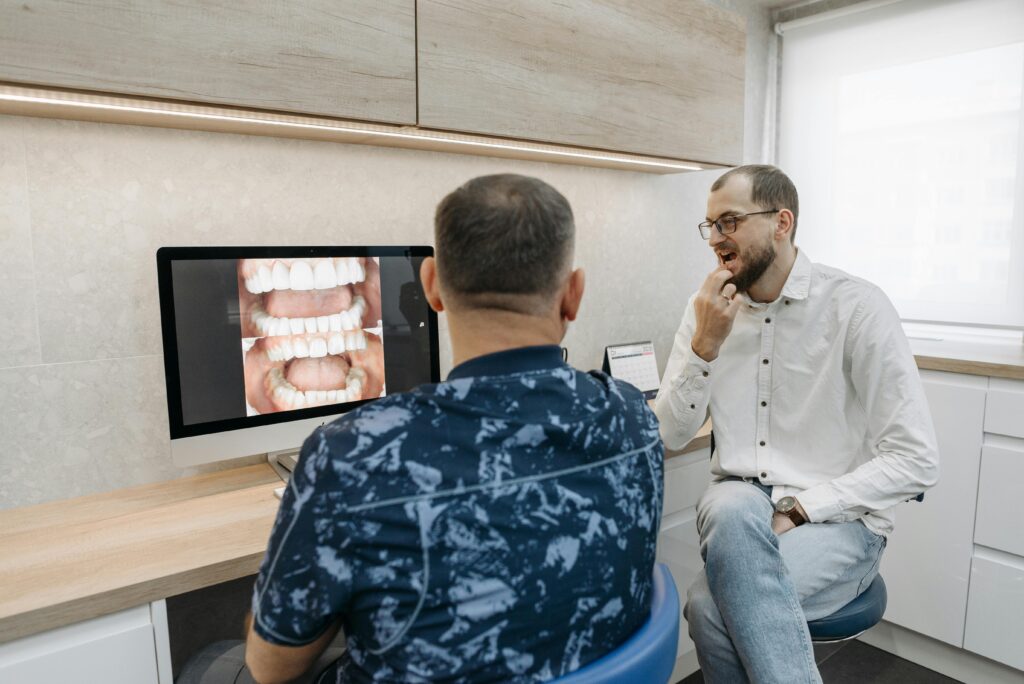
What Happens During a Wisdom Teeth Evaluation?
At your consultation, your oral surgeon will:
- Review your medical and dental history
- Take diagnostic images (usually a panoramic X-ray or 3D scan)
- Evaluate the position, size, and angle of your wisdom teeth
- Check for signs of infection, decay, or gum problems
- Recommend a treatment plan — whether that means monitoring or extraction
If surgery is advised, you’ll receive detailed instructions on sedation options, post-op care, and what to expect during recovery.
Do All Wisdom Teeth Need to Be Removed?
Not always.
Some people have enough space for their wisdom teeth to erupt properly and maintain good oral hygiene. If the teeth are fully erupted, properly aligned, and easy to clean, your oral surgeon may recommend leaving them in place and monitoring them during routine check-ups.
However, many wisdom teeth that initially seem fine can develop issues over time, which is why proactive removal is often suggested.
Risks of Delaying Wisdom Teeth Removal
Choosing to “wait and see” isn’t always risk-free. Here’s what could happen if problematic wisdom teeth aren’t removed:
- Infection: Food and bacteria can get trapped, leading to painful infections.
- Damage to nearby teeth: Adjacent molars may become loose or decayed.
- Cysts and bone loss: Impacted teeth can lead to serious bone damage.
- More difficult surgery: As you age, the bone hardens, and healing slows.
The longer you wait, the more complex — and risky — the procedure may become.
Wisdom Teeth Removal for Adults
While the ideal window is in your late teens or early 20s, many adults undergo wisdom tooth removal successfully. The procedure is safe and common at any age, but healing may take longer and post-op discomfort may be more pronounced in older adults.
If you’re over 30 and experiencing symptoms, don’t wait. Delaying only increases the chance of complications.
Recovery After Wisdom Teeth Removal
Recovery typically takes 3 to 7 days for most patients. Here’s what to expect:
- Swelling and mild bruising for the first 48 hours
- Soft food diet for several days (yogurt, smoothies, mashed potatoes)
- Pain medication and ice packs to reduce discomfort
- No smoking or drinking through straws (to avoid dry socket)
Your surgeon will provide detailed post-op instructions to ensure optimal healing.
Tips for a Smooth Recovery
- Follow all aftercare instructions carefully
- Take prescribed medications as directed
- Use ice to reduce swelling for the first 24–48 hours
- Rest and avoid strenuous activity
- Keep your mouth clean but avoid vigorous rinsing the first day
If you experience excessive bleeding, fever, or intense pain beyond the normal range, call your oral surgeon right away.
Final Thoughts: Timing Is Everything
When it comes to wisdom teeth removal, early evaluation and treatment can prevent a wide range of dental issues. Whether your wisdom teeth are currently causing discomfort or not, it’s smart to schedule a consultation with your oral surgeon to determine the best course of action.
Being proactive today can save you from pain, infection, and complex procedures in the future.