Oral surgery can be a vital step toward restoring your dental health—whether it’s wisdom tooth extraction, dental implants, or corrective jaw surgery. But the key to a successful outcome lies not just in the procedure itself, but in how well you care for yourself after surgery.
Understanding how to recover properly can help minimize discomfort, speed up healing, and prevent complications like infection or dry socket. In this article, we’ll walk you through the top 7 oral surgery recovery tips to ensure you bounce back smoothly and safely.
Why Post-Surgery Recovery Matters
Once the oral surgery is complete, your body immediately starts the healing process. However, without proper care, the surgical site can become irritated, infected, or slow to heal. Ignoring aftercare instructions can lead to unnecessary pain, extended recovery time, or worse — a failed procedure.
The good news? Most complications are entirely preventable. Following the right recovery tips from day one can make all the difference.
1. Follow Your Surgeon’s Post-Op Instructions Carefully
Your oral surgeon will provide detailed written and verbal instructions after your procedure. These guidelines are tailored specifically to your treatment and medical history.
This may include:
- When to take medications
- How to manage bleeding
- Proper oral hygiene routine
- What to eat and avoid
- Activity limitations
Do not guess or Google your recovery plan. Always follow the professional advice given to you — and if anything is unclear, ask your surgeon before you leave the office.
2. Manage Pain and Swelling with Ice and Medications

It’s normal to experience some swelling and discomfort for 2–3 days post-surgery. To manage this:
- Use cold compresses on the outside of your cheek for 15–20 minutes at a time, especially in the first 24 hours.
- Take prescribed pain medications exactly as directed. If over-the-counter pain relief is recommended, avoid aspirin, which can thin the blood and increase bleeding.
- Keep your head elevated when resting to reduce swelling.
Pain that intensifies after 3 days may be a sign of infection or dry socket. Contact your oral surgeon if discomfort worsens.
3. Stick to Soft Foods and Stay Hydrated
Your mouth will be sensitive, so chewing hard or crunchy foods can cause pain and disrupt the healing process.
Eat:
- Mashed potatoes
- Smoothies
- Applesauce
- Scrambled eggs
- Broths or soups (not too hot)
- Yogurt
Avoid:
- Crunchy foods like chips or nuts
- Hard fruits and vegetables
- Spicy or acidic foods
- Alcohol (which delays healing)
- Straws (suction can cause dry socket)
Hydration is critical. Drink plenty of water, but again—no straws for at least 7 days.
4. Don’t Smoke or Vape
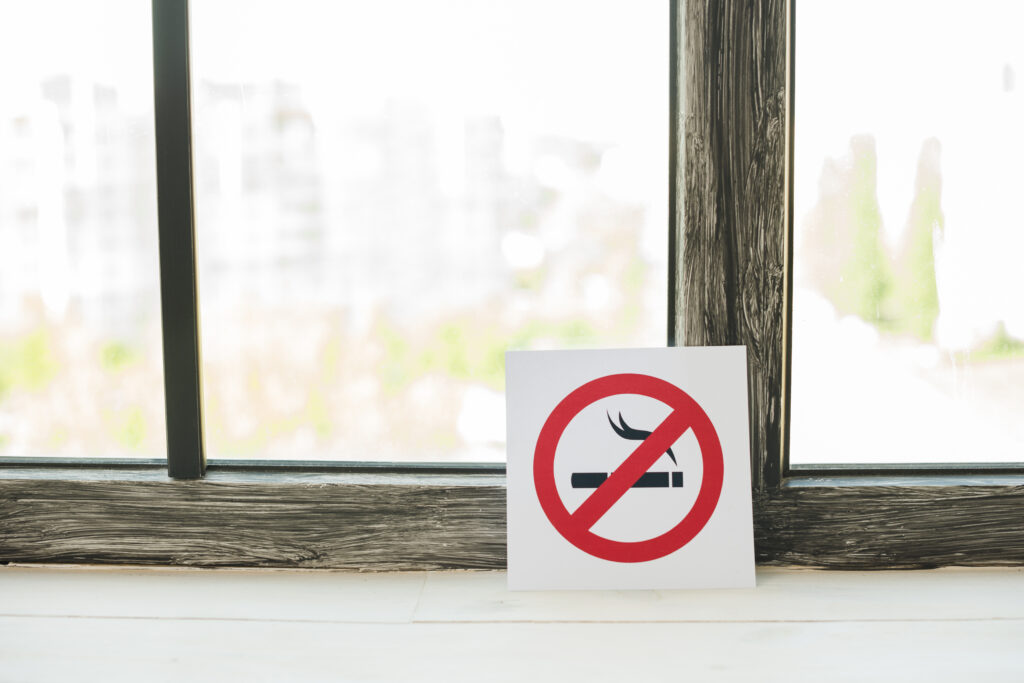
Tobacco use is one of the biggest risk factors for complications after oral surgery.
- Smoking and vaping reduce blood flow, delay healing, and greatly increase the risk of dry socket.
- Even nicotine-free vape pens can cause irritation.
If you’re a smoker, talk to your surgeon about nicotine alternatives or strategies to quit or pause usage during your recovery.
5. Rest and Take It Easy
Give your body time to recover. Avoid physical activity such as:
- Running or lifting weights
- Bending over
- Cleaning or heavy housework
- Returning to work too soon
For the first 48–72 hours, your focus should be on rest. Pushing your body too hard can increase bleeding, worsen swelling, and prolong recovery.
6. Maintain Gentle Oral Hygiene
Keeping your mouth clean after oral surgery is essential to prevent infection—but you’ll need to be gentle.
- Avoid brushing the surgical site for the first day.
- Use a saltwater rinse (1/2 tsp salt in warm water) starting 24 hours after surgery. Rinse gently, do not swish.
- Avoid mouthwash with alcohol.
Resume brushing other teeth normally, but avoid the surgical area until your surgeon gives you the all-clear.
7. Know When to Call Your Surgeon
While most discomfort is normal, certain symptoms should not be ignored. Contact your oral surgeon immediately if you experience:
- Severe or increasing pain after day 3
- Heavy or persistent bleeding
- Fever over 100.4°F
- Pus or foul odor from the surgical site
- Numbness that lasts more than 24 hours
- Difficulty swallowing or breathing
Your oral surgery team is there to support you before, during, and after your procedure—don’t hesitate to reach out.
Bonus: Create a Post-Surgery Comfort Kit
Before your surgery, prepare a small recovery kit so everything is ready when you return home. Here’s what to include:
- Prescribed medications
- Ice packs
- Soft food items (yogurt, applesauce, smoothies)
- Gauze pads
- Extra pillows for head elevation
- Salt for rinses
- Lip balm (dry lips are common post-op)
- A comfortable blanket and entertainment (Netflix, anyone?)
Planning ahead can make your recovery as relaxing and smooth as possible.
Recovery from oral surgery doesn’t have to be a difficult process. By taking a few simple precautions — and following your surgeon’s guidance — you can minimize pain, avoid complications, and get back to your daily life faster.
Whether you’re preparing for wisdom teeth removal, implant placement, or jaw surgery, these 7 oral surgery recovery tips will give you the tools to heal well and stay healthy.